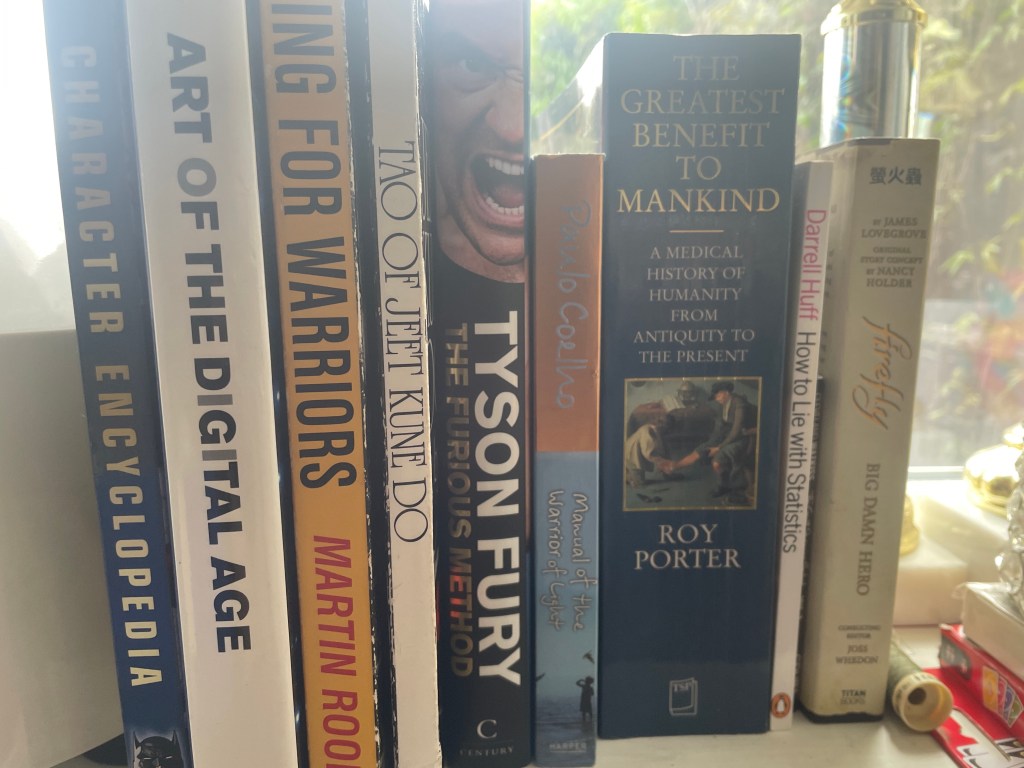
The Art of the Digital Age by Bruce Wands is an insightful book that explores the rapidly evolving world of digital art. The book touches on a wide range of topics, from the history of digital art to the latest trends in the field. Wands provides readers with a deep understanding of how digital technology has changed the art world as we know it. In this essay, we will explore the main themes and ideas presented in this book.
The book begins by providing a thorough history of digital art and how it emerged over the past few decades. Wands explains that digital art emerged as a result of the convergence of technology and art, and this has facilitated the creation of new forms of art that were not possible before. The author goes on to explain how digital art has evolved from basic computer-generated graphics to more advanced forms of interactive art that have transformed the way we experience art.
One of the key ideas presented in the book is the concept of interactivity. Wands argues that digital technology has given artists the ability to create works that can be touched, manipulated, and experienced in real-time. This has led to the emergence of new art forms that are both engaging and interactive. Wands suggests that the future of digital art lies in the hands of those who can create immersive interactive works that blur the line between art and experience.
Another important theme that Wands touches on in the book is the democratization of art. Digital technology has made it possible for anyone to create art, and this has led to the emergence of new artists and new voices in the art world. This has opened up opportunities for people who may not have had access to traditional art forms to express themselves creatively. Wands argues that the democratization of art is a game-changer, and it will continue to shape the art world in the years to come.
Lastly, the book examines the role of technology in the future of art. Wands argues that as technology continues to evolve, artists will be able to create works that were once unimaginable. From augmented reality installations to virtual reality experiences, the possibilities are endless. Wands suggests that artists who embrace technology will be able to push the boundaries of what is possible and create works that are truly innovative.
In conclusion, The Art of the Digital Age by Bruce Wands is an essential read for anyone interested in the world of digital art. The book provides a detailed analysis of the history and evolution of digital art, as well as a glimpse into its future. Wands presents a compelling

 Transformation!