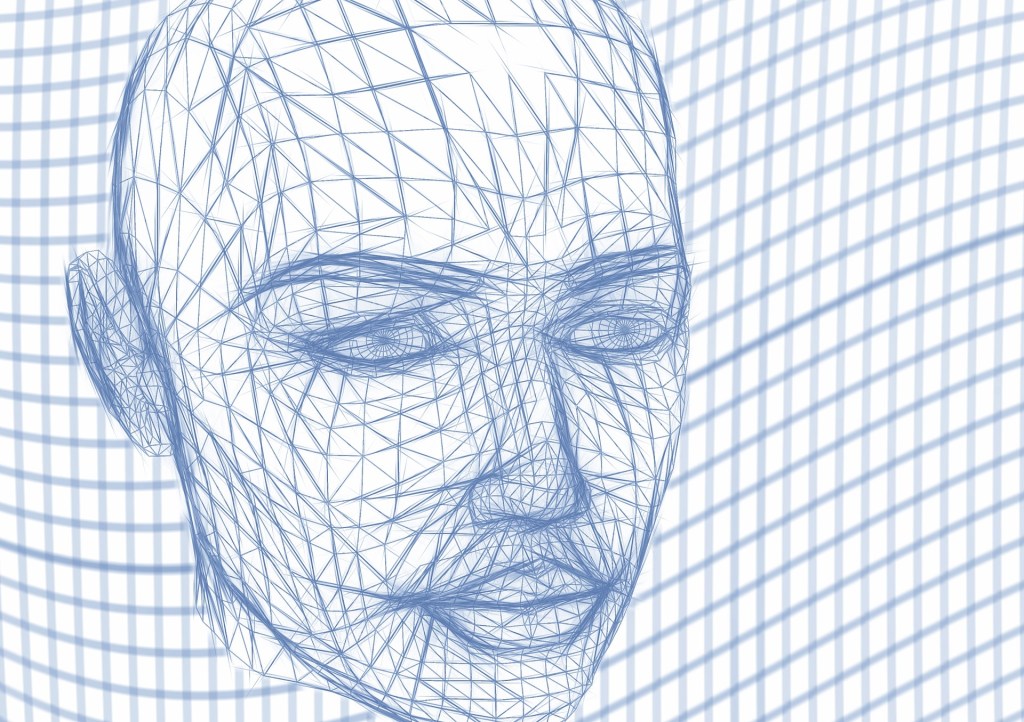
today we’ll be looking at how this quantum brain would mimic our own to speed up ai if you’re new to this channel welcome this is mr singularity where we explore the scientific and technological breakthroughs shaping the future as we know it unless you work in the lithium battery or paint industries you’ve probably never heard of cobalt yet according to a new report it could be the secret sauce for a completely new type of computer one that integrates quantum mechanics with the inner workings of the brain the inner product is more than just a machine that can learn the technologies that allow it to learn are directly incorporated in its hardware structure requiring no additional ai software the computer model also models how our brains process information rather than the silicon-based churning cpus in our modern laptops by leveraging the language of neuron activity and synapses the key trick is based on cobalt atoms quantum spin characteristics when cleverly structured into networks the outcome is a quantum brain that can analyze and preserve data within the same network structure exactly like our brains do to summarize it is a step towards creating a true learning machine that is fantastic news for artificial intelligence machine learning algorithms as powerful as they are are highly energy hungry while the i t titans have vast data centers designed to process computer needs they are inefficient and have a significant carbon footprint what’s more concerning is when specialists look ahead although computing power has quadrupled every year and a half to two years a phenomenon is popularly known as moore’s law recent observations indicate that it may be nearing the end of its useful life meaning we urgently require other computing approaches our new idea of constructing a quantum brain based on the quantum properties of materials could serve as the foundation for a future solution for ai applications said lead author dr alexander gagitarians of radboud university a new aged computer how do neuroscience quantum physics and artificial intelligence interact it begins with parallels between the brain and machine learning approaches such as deep learning it’s no surprise given that the latter was roughly based on human brains the issue arises when these algorithms are run on modern machines even the most advanced computers process information and store it in distinct forms the cpu or gpu cannot store data on its own this necessitates the ongoing transfer of data between the processor and memory units it’s not a big deal for minor tasks like picture recognition but for larger difficulties it significantly slows down the entire process while increasing energy consumption in other words there is a fundamental incompatibility since ai resembles the brain which has a fundamentally alien structure to modern computers while ai algorithms can be tuned for existing processors they are likely to reach a point of no return in terms of efficiency this is where neuromorphic computing comes in it requests that you forget everything you know about computer design chips cpus ram hard drives and so on instead this new age computer uses the brain’s mechanism of logging analyzing and storing information all in one location no data shuffle equals less time and energy consumed which is beneficial for both ai and the environment in broad strokes the brain’s neural networks employ a variety of computing techniques one relies on the neuron which selects whether to fire that is pass on the info to its neighbors based on input another way employs synapses which fine-tune the degree to which a neuron can send and store data at the same time by employing states assume you have a network of neurons that are linked by synapses and collectively store a chili recipe you discover that adding bacon and beer improves the flavor while digesting this new input what we call learning the synapses adjust their state to encode and store the new information the takeaway data processing learning and remembering all happen in the brain at the same time a q brain future no not yet for the time being the team must scale up its system and demonstrate that it can process real world data they also need to construct a machine based on the full configuration demonstrating that it works not just in bits and pieces but as a whole and there’s always the threat of bespoke ai tailored chips which are currently being optimized by numerous i.t behemoths but the quantum brain is nothing to scoff at the researchers were able to replicate critical brain processes neuron firing synapse processing and learning at an atomic size using just one major component with the emergence of quantum computing algorithms customized to the machine’s spooky action at a distance could improve the system efficiency even further parallel processing which our brains excel at but current computers struggle with has been a stretch goal for scientists working on quantum computers since the 1990s the team’s next goal is to discover new quantum materials with distinct features that may be well more efficient than cobalt they’d also like to investigate why quantum brain works so well we’re at a point where we can begin to relate fundamental physics to biological concepts like memory and learning however only when we understand how it works which remains a mystery will we be able to tune its behavior and begin developing it into a technology despite the unknowns the study opens up a fascinating topic at the crossroads of neuroscience quantum computing and artificial intelligence it’s an exciting time what’s your take on this let me know down in the comments below and check out one of these other videos this has been mr singularity and i’ll see you on the next one


 Transformation!