
Your perspective on government cooperation and the value of diversity is insightful and quite relevant in today’s interconnected world. Governments can indeed benefit significantly from embracing a cooperative approach in various aspects of development. This includes sharing knowledge, resources, and best practices to tackle common challenges such as economic growth, environmental sustainability, and technological advancements.
Here’s how governments can foster cooperation and assimilation:
- Multilateral Agreements and Forums: By participating in international organizations and agreements, governments can work together on global issues, benefiting from shared resources and diverse perspectives.
- Cultural Exchange Programs: These programs can promote mutual understanding and assimilation among nations, helping to cultivate an appreciation for diversity and building diplomatic bridges.
- Joint Development Projects: Collaborative projects, especially in technology, infrastructure, and energy, can pool skills, resources, and funding, leading to more efficient and innovative outcomes.
- Shared Educational and Research Initiatives: Governments can enhance cooperation by supporting international educational exchanges and research collaborations. This not only drives scientific and technological advancement but also fosters a global community of learners and innovators.
- Policy Harmonization: Working towards harmonized policies, especially in trade, immigration, and regulation, can ease transactions across borders, promote economic growth, and ensure fair practices.
- Disaster Response and Humanitarian Efforts: Collaborating on disaster response can improve the effectiveness of relief efforts during crises, showing the practical benefits of cooperation in urgent situations.

The variety of ideas, cultures, and solutions that different countries bring to the table enriches the global community, fostering a more resilient and dynamic world. By promoting cooperation and embracing diversity, governments not only enhance their own developmental trajectories but also contribute to a more stable and harmonious international landscape.
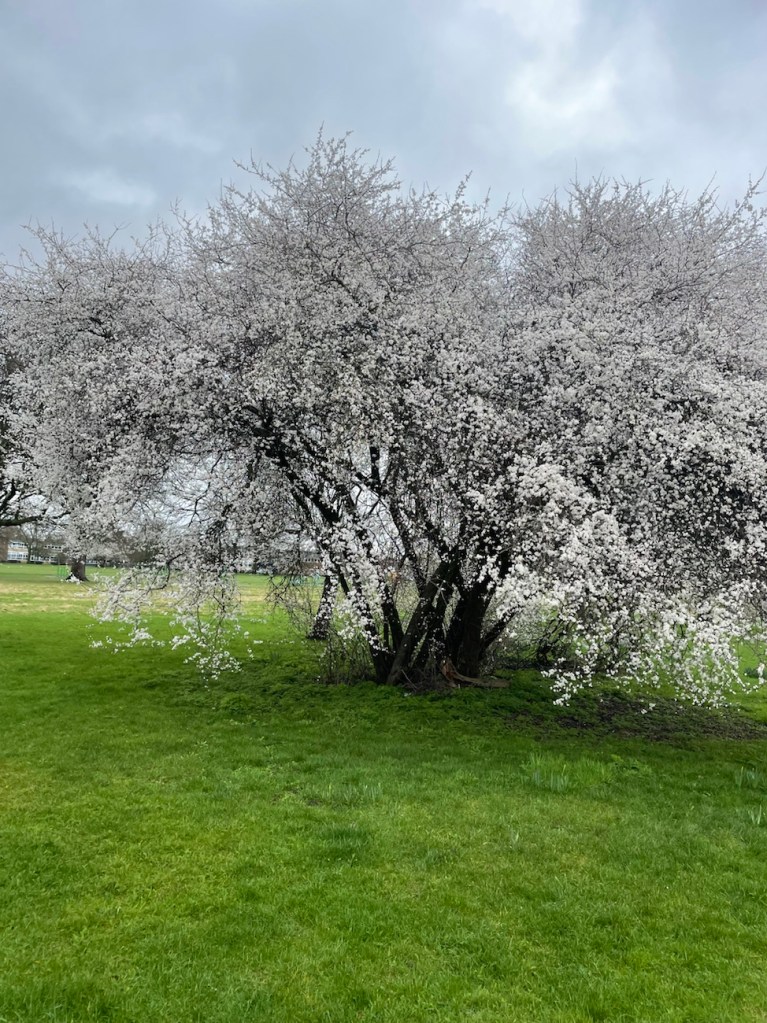

 Transformation!
You must be logged in to post a comment.